Gotisch: Mastering the Art of the Modern Blackletter
There is a specific weight and history attached to blackletter typography that is hard to ignore. When you look at a typeface like Gotisch, designed by Peter Wiegel, you aren't just seeing a font; you are seeing a revival of gothic tradition filtered through a modern, digital lens. For designers, entrepreneurs, and content creators, finding a typeface that commands attention without becoming illegible is a constant challenge. Gotisch manages to strike this balance beautifully, offering a stunning, distinct aesthetic that feels both ancient and relevant.
Visual Characteristics and Distinct Personality
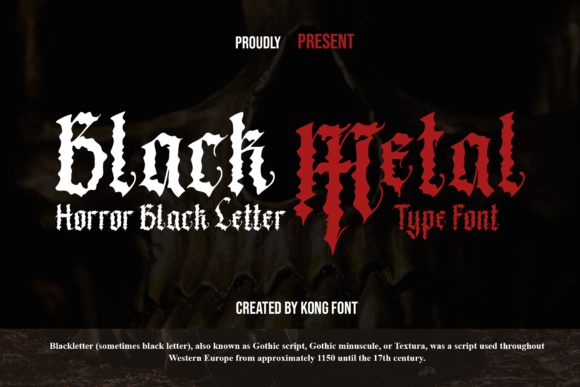
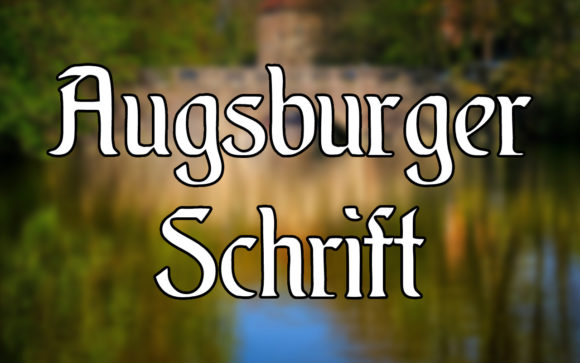
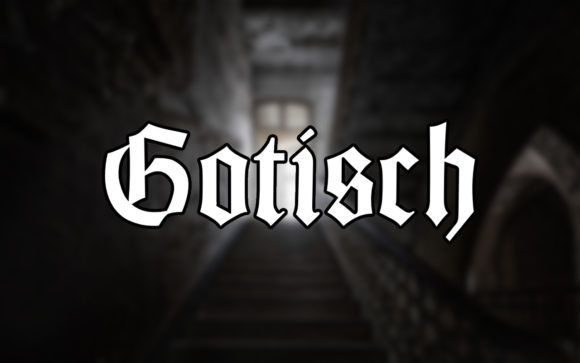
At its core, Gotisch is a display typeface rooted in the blackletter tradition. If you are used to the fluidity of a script font or the neutrality of a sans serif font, Gotisch will feel like a dramatic shift in energy. It features the high contrast and intricate strokes typical of gothic calligraphy, but Wiegel has ensured that it remains a functional creative font for modern use. The letterforms are dense and rhythmic, creating a texture on the page that feels substantial and authoritative.
One of the most practical aspects of this premium font is its technical accessibility. Gotisch is PUA (Private Use Areas) encoded. For those who aren't deep into font engineering, this essentially means that accessing all the extra glyphs, swashes, and stylistic alternates is incredibly simple. You don't need advanced design software to unlock the full potential of the typeface. Whether you are using a basic text editor or professional layout software, the full character set is at your fingertips. This makes it an excellent design asset for those who want complex typographic flair without a steep learning curve.
Strategic Applications: Where Gotisch Belongs
Choosing the right context for a blackletter font is crucial. Because of its ornamental nature, Gotisch functions best as a display font—meaning it shines in headlines, logos, and short bursts of text rather than long-form body copy. If you try to write a full paragraph in Gotisch, the visual density becomes overwhelming. However, when used for impact, it is a powerhouse for brand identity.
Branding and Logo Design
For entrepreneurs and small business owners, a logo needs to tell a story instantly. Gotisch is a strong contender for brands that want to project heritage, craftsmanship, or edginess. It works exceptionally well for craft breweries, barbershops, high-end fashion labels, or music production companies. In logo design, the goal is distinctiveness, and the sharp, angular lines of Gotisch ensure that a brand mark will not be easily forgotten. It pairs well with a sturdy serif font or a clean sans serif font for the supporting text, allowing the logo to stand alone as a piece of art.
Packaging and Editorial Design
In packaging design, shelf appeal is everything. Imagine a coffee bag or a bottle of spirits using Gotisch for the product name. The font adds a layer of perceived value and authenticity that modern, geometric fonts often lack. Similarly, in editorial design, such as magazine covers or book titles, Gotisch can set a specific mood immediately. It suggests a narrative that is serious, perhaps a bit mysterious, and deeply rooted in tradition.
Digital Presence and Social Media
While we often associate blackletter with print, it has found a new home in web design and social media graphics. On platforms like Instagram or Pinterest, where users scroll rapidly, the unique silhouette of Gotisch stops the thumb. It is excellent for creating "swipe-stopping" headers on Pinterest pins or bold overlay text on YouTube thumbnails. Because it is a digital font with high resolution, it scales well on retina screens, maintaining its sharpness and intricate details.
Readability, Hierarchy, and Font Pairing
As a designer or content creator, your primary job is communication. While Gotisch is a beautiful font, you must respect its limitations regarding readability. Blackletter styles are historically difficult to read at small sizes or in long blocks. Therefore, Gotisch should be reserved for establishing the top of the visual hierarchy—titles, sub-headers, and pull quotes.
To create a balanced layout, you need to master the art of font pairing. Because Gotisch is so expressive, it requires a "quiet" partner.
- The Classic Contrast: Pair Gotisch with a clean sans serif font like Helvetica or Open Sans. The stark difference between the ornate blackletter and the geometric sans serif creates a modern, high-fashion look often seen in streetwear branding.
- The Traditional Match: Combine Gotisch with a sturdy serif font like Garamond or Baskerville. This creates a vintage, academic vibe suitable for book covers or heritage branding.
- The Organic Flow: For a more artistic project, try pairing it with a loose handwritten font or script font. This works well for wedding invitations or artisanal product labels, softening the rigid structure of the gothic letters.
Practical Evaluation and Licensing
Before integrating Gotisch into your next project, there are a few practical checks you should perform. First, always review the included styles. Wiegel’s design often comes with variations that can help you fine-tune your typography. Test the font in your specific color palette; blackletter fonts can sometimes lose definition if placed on low-contrast or overly busy backgrounds.
Next, consider the technical environment. If you are using Gotisch for web design, ensure that the font file is optimized for web loading speeds. While it is a vector-based asset, complex fonts can sometimes be heavier than standard text fonts.
Finally, verify the licensing for your specific use case. Since Gotisch is a commercial font, you need to ensure your license covers your intended application, whether that is for physical products (merchandise), digital ads, or software embedding. Understanding the license protects you legally and ensures the designer is compensated for their work.
Gotisch is more than just a download; it is a statement. By using it judiciously, respecting its visual weight, and pairing it intelligently, you can leverage this typeface to create designs that feel timeless, professional, and deeply engaging. Whether you are building a brand identity from scratch or refreshing a layout, this Peter Wiegel creation offers a distinct voice in a crowded typographic landscape.