Unraveling Creativity: The Playful Power of Destitch
In the vast landscape of modern typography, finding a font that captures a specific mood without feeling overdone is a genuine challenge. We often find ourselves scrolling through endless libraries of sans serif and serif font options, looking for that spark of personality. Enter Destitch—a typeface that doesn’t just sit on the page but actively engages with the viewer. It is a premium font that brings a tactile, craft-inspired aesthetic to the digital world. If you are a designer, entrepreneur, or crafter looking to inject some warmth and whimsy into your work, understanding how to leverage a font like Destitch can be a game-changer for your visual strategy.
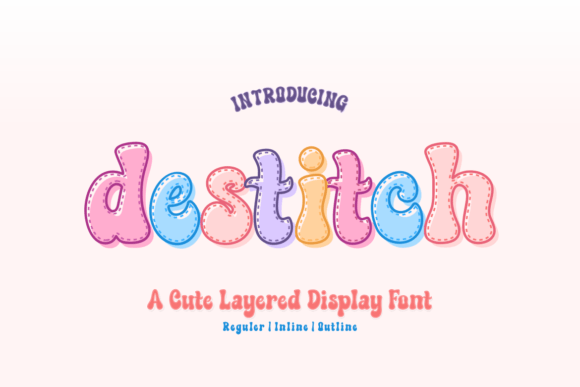
At its core, Destitch is a display font that mimics the charming imperfections of embroidery. It is designed to look as though it has been stitched onto the screen or page, offering a tactile quality that few digital typefaces can match. The visual characteristics are distinct: you will notice the slight gaps where "thread" meets "thread" and the rounded, soft edges that evoke the comfort of fabric and fiber arts. It is a creative font that feels handmade and authentic, bridging the gap between digital precision and handcraft warmth.
The Anatomy of a Stitch: Understanding the Three Styles
What makes Destitch particularly versatile is that it is not a one-trick pony. It comes equipped with three distinct styles: Regular, Inline, and Outline. This variety allows for significant creative control, enabling you to adapt the font to different backgrounds and textures.
- Regular: This style offers the classic "filled stitch" look. It is bold, readable, and provides the strongest visual impact. It works best when you need the text to stand out against a solid background.
- Inline: This variation features a line running through the center of the "stitches," adding a layer of texture and retro flair. It is excellent for adding depth to headers without making the text feel too heavy.
- Outline: As the name suggests, this style focuses on the boundary of the stitch. It is lighter and airier, making it perfect for overlaying on busy images or pairing with the Regular style to create a cohesive font pairing system.
Understanding these styles is the first step in mastering this typeface. Unlike a standard sans serif font where the weight variations are simply thinner or thicker versions of the same letter, the styles in Destitch change the texture of the type itself. This is a crucial distinction when planning your visual hierarchy.
Where Does Destitch Fit in Your Brand Identity?
When we talk about brand identity, consistency is key. However, personality is what drives recognition. Destitch is an excellent tool for brands that want to appear approachable, creative, and human. It is particularly effective for businesses that want to avoid the cold, corporate feel of standard modern typography.
Consider the world of e-commerce and packaging design. For a small business selling homemade soaps, baked goods, or craft supplies, Destitch acts as a visual shorthand for "handmade." It reinforces the product's value proposition before the customer even reads the description. Using the Outline style on a kraft paper background can create a beautiful, rustic aesthetic that feels premium yet accessible.
In the realm of editorial design and web design, the application shifts slightly. While you wouldn't use Destitch for long-form body copy (as is true with most display font options), it shines in pull quotes, chapter titles, and sub-headers. For a lifestyle blog or a magazine focusing on DIY culture, using Destitch for section breaks adds a rhythmic, visual pause that keeps the reader engaged. It breaks the monotony of reading standard text and signals to the reader that this section is special or distinct.
Digital Applications: From Social Media to UI
Social media is a crowded space. To stop the scroll, your social media graphics need to be instantly recognizable. Destitch offers a unique texture that stands out against the smooth gradients and flat colors typical of Instagram or Pinterest feeds. Imagine a series of quote cards or promotional banners where the typography itself feels tangible. This tactile quality can increase engagement because it feels more "real" and less algorithmic.
However, a word of caution for web design: context matters. While Destitch is fantastic for hero images and graphic elements, it should be used sparingly in User Interface (UI) elements. Navigation bars and footer links require the clarity of a sans serif font. The best strategy is a balanced approach: use Destitch for the emotional hook (headlines and logos) and a clean, geometric typeface for the functional information.
Practical Guidance for Using a Playful Typeface
As a designer or content creator, your goal is to ensure that your typography enhances readability rather than hindering it. Because Destitch has a distinct, textured style, it requires some thoughtful implementation. Here is a practical guide to integrating this commercial font into your projects effectively.
Evaluating Project Fit
Before you download and install, ask yourself: does the tone of this project match the personality of the font? Destitch is inherently playful and nostalgic. It fits perfectly with wedding invitations, children’s party supplies, bakery branding, and indie game interfaces. It fits poorly with law firm correspondence, financial reports, or ultra-minimalist tech startups. Knowing when not to use a creative font is just as important as knowing when to use it.
Testing Font Pairings
Every display typeface needs a partner. Since Destitch is decorative and detailed, it pairs best with fonts that are simple and clean. A classic sans serif font like Helvetica, Roboto, or Open Sans provides the perfect counterbalance. The simplicity of the body text allows the Destitch headers to pop without causing visual chaos. Avoid pairing it with a script font or a complex handwritten font, as the competing styles will make the layout look cluttered and difficult to decipher.
Readability and Sizing
Texture in typography can sometimes compromise legibility at small sizes. The "stitching" effect in Destitch relies on the viewer being able to see the gaps in the letterforms. If you shrink the font size too much, those gaps disappear, and the text can turn into a blurry mess. Always test your designs at the intended output size. Generally, Destitch works best at larger sizes—think titles, headers, and logos—rather than footnotes or captions.
Elevating Your Creations
For the hobbyist or the professional embroiderer, Destitch offers a digital companion to physical craft. It creates a cohesive aesthetic across digital patterns, PDF instructions, and physical labels. For the marketer, it offers a way to humanize a brand. In an era of AI-generated content and sterile automation, a font that looks like it was stitched by hand conveys effort, care, and authenticity.
Ultimately, typography is about communication. While a serif font communicates tradition and authority, and a sans serif communicates modernity and cleanliness, Destitch communicates joy and creativity. It is a tool that invites the viewer to smile. By selecting the right style, pairing it with a neutral partner, and applying it to the right context, you can use this design asset to transform a standard layout into something memorable. Whether you are building a logo design for a new startup or crafting a menu for a local café, adding a touch of "thread" might be exactly what your project needs to stand out.