Espresso Dolce: A Modern Sans Serif for Creative Ideas
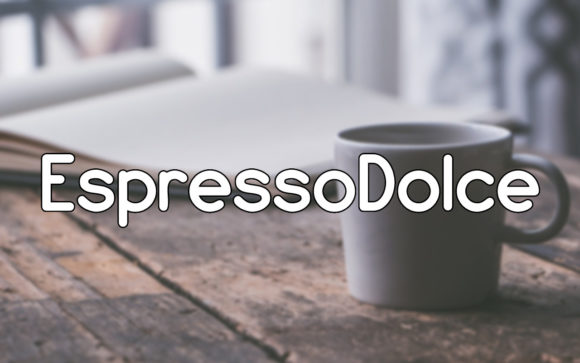
There's a particular kind of typeface that doesn't just sit on the page—it infuses a project with a specific mood. It has a personality that feels both contemporary and approachable. Espresso Dolce, a beautifully crafted sans serif font by designer Peter Wiegel, is exactly that kind of design asset. Its rounded characters and clean, minimalistic lines offer a modern take on friendly typography, making it a versatile tool for anyone looking to inject a bit of warmth and clarity into their work.
Unlike more rigid, geometric sans serif fonts that can feel sterile, or overly stylized display fonts that sacrifice readability, Espresso Dolce strikes a compelling balance. The soft, curved terminals and generous x-height give it an inviting, almost tactile quality. It’s a font that feels optimistic and creative, yet it remains grounded and highly functional. This unique character is what makes it so effective across a wide range of applications, from brand identity systems to social media graphics.
Where Espresso Dolce Truly Shines
Understanding a font's strengths is key to using it effectively. Espresso Dolce excels in contexts where you want to communicate modernity, creativity, and a welcoming spirit. Its personality is a perfect match for brands and projects that aim to connect on a human level.
- Branding and Logo Design: For startups, lifestyle brands, boutique shops, and creative agencies, this typeface offers a fresh and memorable voice. It helps build a brand identity that feels innovative yet trustworthy. Think of a coffee roaster's logo, a wellness app's interface, or the masthead of a design-focused blog—the font's inherent warmth supports a positive brand perception.
- Editorial and Publishing: In editorial design, such as magazine headlines, book covers, or blog post titles, Espresso Dolce commands attention without being aggressive. Its clean legibility makes it a superb display font for pulling readers into an article or story, setting a contemporary tone from the very first glance.
- Packaging and Web Design: On product labels, especially for artisanal food, cosmetics, or craft goods, the font's rounded forms suggest quality and care. In web design, it works beautifully for headings, buttons, and navigation menus, creating a user-friendly experience that feels both professional and personal.
- Digital Content and Marketing: For social media graphics, email newsletters, and digital advertisements, a creative font like this can dramatically increase engagement. Its distinctive style helps content stand out in a crowded feed, while its clarity ensures the message is communicated quickly and effectively.
It’s worth noting that while Espresso Dolce is a highly capable premium font, its personality is specific. For projects requiring a deeply traditional, corporate, or formal tone, a classic serif font might be more appropriate. The magic lies in matching the font's vibe to the project's goals.
Practical Guidance for Using This Typeface
Choosing a font is just the first step. Using it well is what separates good design from great design. Here’s how to approach Espresso Dolce in your projects.
Evaluating Fit and Font Pairings
Before committing, ask yourself: Does this font's friendly, modern character align with my project's core message? If the answer is yes, the next step is to consider font pairing. A strong pairing creates contrast and visual hierarchy. Espresso Dolce pairs exceptionally well with a sturdy, neutral sans serif font for body copy (like a workhorse such as Open Sans or Lato), allowing its unique personality to headline the design. For a more dynamic contrast, pairing it with a delicate script font or handwritten font for accents can create a beautiful, layered effect. Avoid pairing it with another highly stylized display font, as they will compete for attention.
Styles, Readability, and Licensing
A thorough review of the font's included styles is crucial. Does the family offer the range of weights you need—from light to bold—to establish a proper typographic scale? Test the font at the sizes you intend to use it. While Espresso Dolce is designed for clarity, always check its readability in your specific context, especially for longer blocks of text or smaller sizes on screens.
Finally, for any commercial application—from a client's logo design to a product line's packaging design—you must ensure you have the correct commercial font license. Respecting the designer's work by adhering to the licensing terms is non-negotiable for professional practice.
Real-World Application Example
Imagine a small business owner launching an online store for handmade ceramics. Their brand values are creativity, authenticity, and approachability. Using Espresso Dolce for their website headings, product name typography, and social media post titles would immediately communicate those values. Paired with a clean, readable sans serif for product descriptions, the type system would feel cohesive, professional, and perfectly aligned with the brand's identity. The font doesn't just label the products; it helps tell the brand's story.
In the end, a typeface like Espresso Dolce is more than just a collection of glyphs. It’s a design asset with a distinct point of view. When chosen thoughtfully and applied with intention, it has the power to elevate a project, clarify a message, and make creative ideas not just visible, but truly come alive.