Eureka: A Mysterious Blackletter Font for Bold Creators
Understanding the Visual Soul of Eureka
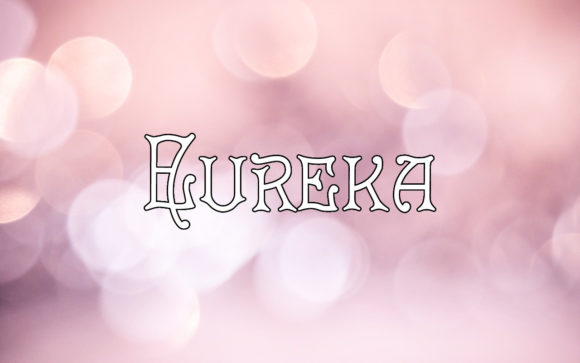
There is a specific gravity to certain typefaces. They don’t just sit on the page; they command it. Eureka, a mysterious and gothic Blackletter font designed by Peter Wiegel, is one of those rare typographic assets that bridges the gap between historical tradition and modern design needs. At first glance, it might remind you of illuminated manuscripts or heavy metal band logos, but to dismiss it as purely ornamental would be a mistake. Eureka offers a unique aesthetic that, when applied with intention, can make your creative projects genuinely come alive.
Blackletter typography, often referred to as Old English or Gothic script, has a reputation for being difficult to read in long paragraphs. This is true for most variants of the style. However, the charm of Eureka lies in its construction. Wiegel has crafted a typeface that features unique and well-balanced characters. Unlike some jagged, aggressive blackletter fonts that can feel chaotic, Eureka maintains a certain elegance. The strokes are heavy and condensed, creating a dense texture that is perfect for high-impact headers, but the internal negative spaces (the counters) are managed well enough to keep the letters distinct from one another.
The personality of Eureka is undeniably dramatic. It carries an air of antiquity, mystery, and weight. It is a font that demands respect. If you are looking for a typeface that whispers, look for a light sans serif. But if you need a typeface that speaks with authority and a touch of the arcane, Eureka is your answer.
The Power of Gothic Style in Modern Branding
In the current landscape of modern typography, we are seeing a resurgence of maximalism. After years of flat, minimalist design and generic geometric sans serifs, audiences are craving texture, history, and personality. This is where a premium font like Eureka shines. It is not just a display font; it is a statement piece for your brand identity.
For designers and entrepreneurs, the challenge is always differentiation. How do you stand out in a crowded market? You do it by using design assets that others might overlook or be afraid to use. Blackletter fonts are often pigeonholed into specific industries—brewing, tattooing, or heavy music. While Eureka certainly excels in those niches due to its gothic roots, its versatility extends much further when paired correctly.
Where Eureka Fits Best
Because of its high contrast and heavy weight, Eureka is best suited for specific applications where legibility at small sizes is not a primary concern, but visual impact is paramount. Here are some practical scenarios where this font can transform a project:
- Logo Design: A logo needs to be memorable. Using Eureka for a monogram or a stylized wordmark can give a brand an instant sense of heritage and solidity. It works beautifully for luxury brands, artisanal products, or creative agencies that want to project a "classic with a twist" vibe.
- Editorial Design: In magazines or book covers, drop caps and pull quotes are opportunities to add visual interest. Eureka makes for a stunning drop cap that draws the eye immediately. It provides a strong anchor for the surrounding text.
- Packaging Design: Think about craft coffee, spirits, or boutique clothing. The packaging needs to tell a story before the customer reads the ingredients. Eureka adds a layer of perceived quality and craftsmanship. It suggests that the product inside is made with care and tradition.
- Social Media Graphics: On platforms like Instagram or Pinterest, you have milliseconds to capture attention. Bold, stylized headers using Eureka can stop the scroll. It works particularly well for quotes, event announcements, or promotional posters.
Mastering Typography: Pairing and Hierarchy
One of the most critical aspects of using a creative font like Eureka is understanding font pairing. You generally do not want to set your body copy in a Blackletter font; the readability will suffer, and your audience will tune out. The strength of Eureka lies in its ability to create a sharp visual hierarchy.
When you place a heavy, textured Blackletter headline next to a clean, minimalist body text, the contrast is electric. The eye is naturally drawn to the complex shape of the Blackletter, and then relaxes when it moves to the simpler shapes of the body text.
Recommended Pairings
To get the most out of Eureka, consider pairing it with typefaces that offer a structural contrast but share a similar mood or x-height.
- Eureka + Clean Sans Serif: This is the classic "Old vs. New" combination. A geometric or grotesque sans serif font provides a neutral canvas that allows Eureka’s intricate details to pop. This is ideal for web design where you need the header to be striking but the UI elements to be functional.
- Eureka + Elegant Serif: If you are going for a vintage or scholarly look, pairing Eureka with a transitional serif font (like a Baskerville or Garamond style) can create a rich, literary atmosphere. This works well for publishing and high-end editorial design.
- Eureka + Script/Handwritten: For a more personal, artistic vibe, you might pair it with a subtle script font or handwritten font. Be careful here—both fonts are expressive, so ensure they don't compete for attention. Usually, the script should be used for sub-headers or accents, while Eureka takes the main headline.
Practical Application and Technical Considerations
Before you commit to building a campaign around Eureka, it is wise to conduct a practical evaluation. As a designer or content creator, your job is to ensure that the aesthetic choice serves the functional goal of the project.
Testing for Fit
Start by typesetting your specific headline or logo text in Eureka. Look at the "kerning" (the space between letters). Blackletter fonts often have interlocking shapes that require careful kerning to ensure legibility. Peter Wiegel has done excellent work balancing the characters, but every word is unique. Check that letters like "ol" or "be" don’t blur together into an unreadable blob.
Next, consider your audience. If you are targeting a demographic that values tradition, history, or artisanal quality, Eureka is a perfect match. If your brand is strictly futuristic, ultra-modern, or corporate-clean, a Gothic font might send a mixed signal. Brand perception is heavily influenced by typography; ensure the font’s voice matches your brand’s voice.
Commercial Licensing and Usage
For entrepreneurs and small business owners, the legal side of design assets is just as important as the visual side. Always verify the licensing of the font. Since Eureka is a commercial font (or has specific licensing terms provided by the author), ensure you have the correct license for your intended use. If you are putting the font on a website, you need a web license. If it is for merchandise, you may need an extended license. Respecting the licensing ensures that type designers like Peter Wiegel can continue to create high-quality tools for us to use.
Beyond the Basics: Adding Texture and Depth
Eureka is more than just a set of vectors; it is a texture generator. In digital design, we often struggle to make flat screens feel tactile. Using a Blackletter font introduces organic shapes and varying stroke widths that mimic the hand of the artist.
Try experimenting with effects. Because Eureka has such strong silhouettes, it holds up incredibly well to distortion, texture overlays, or color masking. You can place a photograph inside the letters of Eureka to create a striking typographic image, often seen in poster design and social media graphics.
Furthermore, consider the color palette. Blackletter fonts often look best in high-contrast situations: black on white, white on black, or metallic golds and silvers on dark backgrounds. These color choices reinforce the "premium" and "mysterious" qualities of the typeface.
Conclusion: Igniting Your Creativity
Typography is the voice of your design. Choosing a font is choosing how you want to speak to your audience. Eureka offers a voice that is deep, resonant, and unforgettable. It is a tool for those who want to step away from the safety of standard fonts and inject some soul into their work.
Whether you are designing a logo for a new startup, laying out a magazine spread, or creating a poster for an event, adding Eureka to your toolkit opens up a new realm of possibilities. It reminds us that design doesn't always have to be clean and sterile—it can be intricate, historical, and bold. Add it to your most creative ideas, and watch how it transforms them from simple layouts into compelling visual stories.