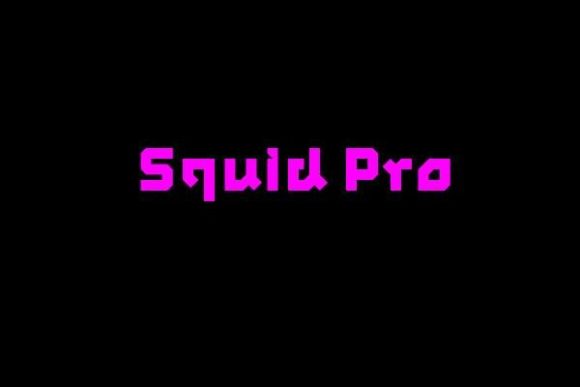
Squid Font: Bold, Confident Type for Impactful Design
When you need typography that doesn't just sit quietly on the page but makes a statement, you look for a typeface with presence. Squid is exactly that. Designed by Felix Braden, this is a display font built on bold, thick letterforms that command attention. It reads as strong, confident, and dynamic—a typographic voice that can add tons of assertive character to your projects. If you're working on anything from logo design to packaging design, understanding what Squid brings to the table can genuinely change how your work lands with an audience.
Understanding Squid's Visual Character
Squid isn't trying to be everything to everyone, and that's its strength. The letterforms are thick, with a substantial weight that gives each word a sense of gravity. There's a boldness here that goes beyond simply being heavy—the shapes have personality. The curves feel considered, the terminals have character, and the overall rhythm of the typeface carries a modern energy without falling into trendy territory. It's a creative font that balances strength with enough detail to keep things visually interesting.
What makes Squid particularly useful is that it doesn't feel cold or mechanical. Despite its thickness, there's a warmth in the letter construction that makes it approachable. This is important when you're choosing a premium font for projects where you need to connect with real people—think brand identity work, editorial headlines, or social media graphics where grabbing attention in a crowded feed matters. The personality is assertive without being aggressive, confident without being arrogant.
Where Squid Shines Across Creative Projects
For designers working on logo design, Squid offers a foundation that feels distinctive from the start. A logo set in a bold, characterful typeface like this doesn't need much embellishment to stand out. The thick strokes hold up well at various sizes, which matters when your mark needs to work on a business card and a billboard. Pair it with a clean sans serif font for body copy and you've got a visual system that feels cohesive and professional.
In editorial design, whether you're laying out a magazine spread, a book cover, or a blog header, Squid works brilliantly for headlines and pull quotes. Display fonts like this are designed for exactly these moments—short bursts of text where impact matters more than extended readability. A chapter title in Squid tells the reader immediately that this isn't a passive reading experience. It sets tone and expectation before they've read a single paragraph of content.
Packaging design is another area where this typeface excels. On a shelf, products have roughly three seconds to communicate what they are and why someone should care. A bold, confident typeface does heavy lifting in those moments. Whether it's a craft beer label, a skincare product, or artisan food packaging, Squid brings the kind of visual weight that makes a product feel substantial and intentional. It suggests quality and care, which influences purchasing decisions more than most people realize.
How a Bold Typeface Influences Brand Perception
Typography shapes how people feel about a brand before they process a single word. This isn't theory—it's something experienced marketers and brand strategists see constantly. When you choose a typeface like Squid for your brand identity, you're making a deliberate statement about confidence and clarity. Brands that use bold, distinctive typography tend to feel more established, more certain of themselves. That perception trickles down to how audiences trust and engage with the brand.
For web design and digital applications, a display font like Squid needs careful handling. It works beautifully for hero sections, call-to-action buttons, section headings, and feature titles—anywhere you want to draw the eye and create clear visual hierarchy. Using it for body text would be a mistake, though. Its thickness and personality are optimized for display use, and setting paragraphs in a font this bold would hurt readability. The smart approach is pairing it with a more neutral sans serif font or even a clean serif font for longer-form content. This contrast creates hierarchy naturally: the bold headings pull readers in, and the body text lets them settle into the content comfortably.
On social media graphics, where you're competing with endless scrolling and shrinking attention spans, Squid's assertive character becomes a genuine advantage. A quote card, announcement, or promotional post set in this typeface stops thumbs. The thick letterforms maintain legibility even at smaller sizes on mobile screens, which is where most social content gets consumed. For content creators and bloggers building a recognizable visual presence, having a go-to bold typeface for graphics creates consistency across posts—something audiences notice subconsciously even if they can't articulate it.
Practical Guidance for Working with Squid
Before committing to any commercial font, including Squid, test it against your specific project needs. Set your actual headlines, not just the alphabet. Look at how the letterforms interact with your color palette, your imagery, and your layout. A typeface that looks stunning in a specimen sheet might feel different in context, and that's normal. The goal is to see how it performs in the real conditions of your design.
Font pairing deserves real attention. Squid's boldness means it benefits from contrast rather than competition. A geometric sans serif font with clean lines and generous spacing often works well alongside it. If your project leans editorial or has a more traditional feel, a well-chosen serif font for body text can create an elegant tension that feels sophisticated. Avoid pairing it with another bold or heavily stylized script font or handwritten font—the result would be visually noisy and exhausting to look at.
Check what styles and weights are included with your license. Some versions of display typefaces come with alternates, ligatures, or extended character sets that support multiple languages. Knowing what's available lets you get full value from your design assets. Also, review the licensing terms carefully. If you're a small business owner using the font across your website, printed materials, and merchandise, you need a license that covers all those applications. Most premium font foundries offer clear commercial licensing—just make sure you understand what's included before you build your entire visual identity around it.
For entrepreneurs and crafters building brands on a budget, investing in one or two high-quality display typefaces like Squid often delivers more visual impact than downloading dozens of free fonts that lack the refinement and versatility of professionally designed work. A single strong typeface, used consistently, builds recognition faster than a scattered collection of trendy downloads. That consistency is what separates amateur design from professional presentation, and audiences can feel the difference even if they've never studied modern typography.
Making the Most of a Confident Type Choice
The best typography decisions come from understanding what a typeface communicates emotionally, not just what it looks like technically. Squid communicates assurance. It says the brand or project behind it knows what it's doing and isn't afraid to be seen. For marketers, publishers, and designers working on projects that need to project strength—whether that's a product launch, a rebrand, an event campaign, or a content series—this kind of typographic confidence becomes a strategic tool rather than just a decorative choice.
Use it where it makes sense. Don't force a bold display typeface into every corner of a design. Let it do its job in headlines, logos, and key visual moments, and give the rest of your layout room to breathe with more understated type choices. That balance is what makes design feel intentional and professional. Squid, used thoughtfully, becomes one of those design assets you reach for again and again—not because it's trendy, but because it reliably delivers the visual punch a project needs.