King Richard: A Typeface for Timeless Branding
There is a specific moment in design where nostalgia meets precision. You want to evoke the golden era of American automobiles and mid-century advertising, but you need the reliability of modern digital vectors. This is exactly where King Richard enters the conversation. It is not just a collection of letters; it is a stylistic declaration. As a display font rooted in the 1960s aesthetic, King Richard offers a distinct personality that can elevate a project from standard to striking. It captures the essence of an era defined by chrome details and confident design, yet it remains versatile enough for contemporary digital and print applications.
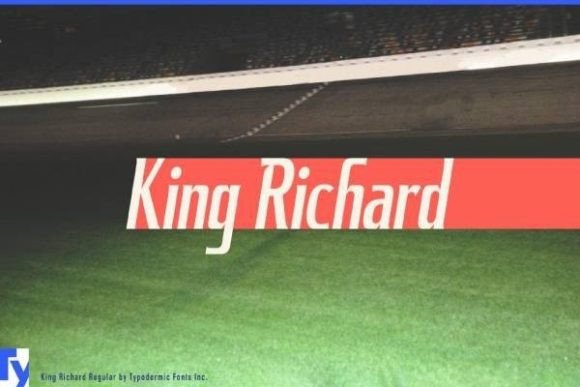
Understanding the anatomy of this serif font is the first step in using it effectively. King Richard features "flare serifs," a characteristic style where the terminals of the strokes expand outward rather than ending in a blunt slab or a delicate hairline. This visual trait mimics the lettering often found on vintage signage, heavy machinery, and classic automotive badges. The result is a typeface that commands attention without shouting. It carries a sense of authority and heritage. When you look at the curves and terminals, you see a font designed to hold its ground. It is bold, legible at a distance, and possesses a rhythmic flow that guides the eye naturally from one character to the next.
The Practical Power of Flare Serifs
For designers, marketers, and entrepreneurs, choosing a premium font is about more than just aesthetics; it is about psychological impact. The 1960s style of King Richard subconsciously communicates stability, reliability, and a certain "built to last" quality. In a world saturated with geometric sans-serifs and fleeting trends, a typeface with this much character stands out. It suggests that the brand or project behind it has substance.
Consider the realm of logo design. A logo needs to be memorable and scalable. King Richard provides a strong foundation for brand identity. Because of its flare serifs, it creates interesting negative spaces that make a logo feel dynamic even when static. It works exceptionally well for brands in the hospitality, food and beverage, automotive, or lifestyle sectors. However, it is not limited to "retro" brands. A modern tech company could use King Richard to soften its image and add a human touch, bridging the gap between digital coldness and human warmth.
Strategic Applications for Modern Creators
While the font has roots in the past, its application is entirely modern. Here is how different creative professionals can leverage King Richard:
- Social Media Graphics: Algorithms favor engagement, and bold typography stops the scroll. King Richard is excellent for Instagram quotes, YouTube thumbnails, and Pinterest pins. Its high legibility ensures the message is read instantly, even on small mobile screens.
- Packaging Design: If you are a small business owner creating product packaging, this font adds a layer of perceived value. It looks fantastic on labels for hot sauces, craft beers, beard oils, or artisanal goods. It tells the customer that the product inside is crafted with care.
- Watermarks and Stationery: For photographers and bloggers, King Richard serves as a sophisticated watermark that protects work without being overly intrusive. It also translates beautifully to physical stationery, such as letterheads and business cards, where the texture of the paper can accentuate the font's serifs.
- Wedding Designs: While script fonts are traditional for weddings, King Richard offers a unique alternative for couples seeking a vintage or industrial-chic theme. It pairs wonderfully with soft imagery to create a striking contrast.
Mastering the Pairing and Hierarchy
One of the most critical skills in modern typography is the art of the font pairing. King Richard is a display font, meaning it shines brightest in headlines, subheadings, and pull quotes. It is generally too decorative for long-form body copy, where readability is paramount.
To create a balanced visual hierarchy, you need to pair King Richard with a typeface that complements rather than competes. Here are three practical strategies for pairing:
- The Classic Contrast: Pair King Richard with a clean, geometric sans serif font. The simplicity of the sans serif will allow the detailed serifs of King Richard to take center stage. This is a safe, professional bet for web design and editorial design.
- The Vintage Harmony: Combine it with a textured handwritten font or a script font. This combination works well for invitations and product labels where you want to evoke a specific, nostalgic atmosphere.
- The Typographic Hierarchy: Use King Richard for the main title, a medium-weight sans serif for subtitles, and a standard serif for the body text. This creates a clear roadmap for the reader, improving readability and audience engagement.
Technical Considerations and Licensing
Before integrating any new design assets into your workflow, a professional approach requires due diligence. When you acquire King Richard, you are likely purchasing a commercial font license. It is vital to read the End User License Agreement (EULA).
Check if the license covers the specific ways you intend to use the font. For example, does it cover digital ads (like Facebook or Google ads)? Does it cover physical merchandise (like t-shirts or mugs)? Most standard licenses cover print and web, but "server licenses" for apps or e-commerce platforms often cost extra. Ensuring you have the correct license protects your business legally and supports the type designers who created the asset.
Furthermore, explore the full character set. A robust typeface like King Richard often includes alternates, ligatures, and swashes. These extra glyphs can transform a standard headline into a piece of custom art. Always check the "Glyphs" panel in your design software (like Adobe Illustrator or Photoshop) to see what hidden gems are available.
Final Thoughts on Creative Execution
The difference between an amateur project and a professional one often lies in the details of the typography. King Richard is not just a font; it is a tool for storytelling. It allows content creators, crafters, and hobbyists to infuse their work with a sense of history and confidence.
When you use King Richard, you are making a choice to be bold. You are choosing to stand out from the noise of generic templates. Whether you are designing a logo for a new startup, laying out a magazine spread, or creating a poster for a local event, this font provides the visual weight needed to anchor your design. It respects the legacy of American graphic design while serving the needs of the modern creative economy.
Take the time to experiment with it. Test it in different contexts. See how the flare serifs interact with your brand colors. You will likely find that King Richard is the missing piece that brings your visual identity together, creating a cohesive and compelling experience for your audience.