Iomanoid: A Digital Time Capsule for Bold Projects
If you are looking to inject a heavy dose of 1980s nostalgia into your design work without resorting to generic templates, Iomanoid offers a sophisticated yet playful solution. This typeface is not just another retro revival; it is a carefully crafted video game-inspired font that captures the essence of mid-1980s techno aesthetics. It bridges the gap between the pixelated screens of early arcade cabinets and the sleek, chrome finishes of that era's futurism. For designers, entrepreneurs, and content creators, understanding how to wield this specific style of typography can be the difference between a project that feels dated and one that feels timelessly cool.
The Visual DNA of Iomanoid
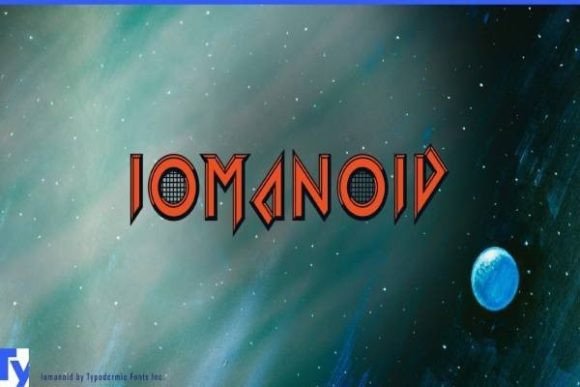
At its core, Iomanoid is a display typeface. It is built for impact, not for body text. Visually, it mimics the look of industrial lettering mixed with the digital readouts of the Reagan era. You will notice its geometric construction immediately—characters are built on strong grids with rounded corners and uniform stroke widths. However, what sets it apart from a standard sans serif font is its layered capability.
The font comes with a unique construction system. You can use the transparent regular style for a clean, vector-based look that integrates seamlessly over complex backgrounds. This is perfect for web design where you need text to sit over video or imagery without blocking the view. However, the real magic happens when you start stacking the layers.
By utilizing the back, front, and shine layers, you can manually construct a 3D effect that mimics the "chrome" typography popular in 80s movie posters and arcade logos. The "back" layer provides the depth or shadow, the "front" offers the main body color, and the "shine" layer adds that specular highlight across the top. This modular approach gives you total control over the color palette and depth, making it a versatile design asset for anyone willing to experiment with layering in software like Illustrator, Photoshop, or Canva.
Strategic Applications for Modern Creators
While the font screams "retro," its applications are surprisingly modern. The key is to use it where you need to stop a scrolling thumb or catch a wandering eye. Because it is a premium font with high production values, it avoids the "cheap" look that often plagues retro-inspired typefaces.
Brand Identity and Logo Design
For businesses in the tech, gaming, music, or entertainment sectors, Iomanoid can serve as the cornerstone of a brand identity. It works exceptionally well for logos that need to convey energy, speed, or innovation. If you are launching a podcast about retro culture or a tech startup that prides itself on disruptive thinking, this typeface sets the tone immediately. It suggests that your brand is bold and unafraid to stand out.
Digital and Social Media
In the realm of social media graphics, visual hierarchy is everything. You have milliseconds to communicate a message. The bold, blocky nature of Iomanoid makes it perfect for YouTube thumbnails, Instagram sale announcements, or headers for digital newsletters. When used with the stacked shine effect, it creates a focal point that draws the eye directly to your call to action.
Publishing and Editorial Design
While you wouldn't use it for the body text of a novel (please, never do that), it is a fantastic choice for editorial design covers. Think of book covers for sci-fi novels, magazine headers for gaming reviews, or chapter titles in a zine. It adds an immediate genre context. When paired correctly, it can elevate a simple layout into something that feels curated and intentional.
Packaging and Merchandise
If you are a crafter or small business owner selling physical goods, packaging design is crucial. Iomanoid works beautifully on stickers, tote bags, and t-shirt designs. Its heavy weight ensures that designs remain legible from a distance, which is a non-negotiable requirement for merchandise.
Mastering the Stack: How to Use the Layers
To get the most out of this creative font, you need to understand the layering process. This is where you move from a standard user to a designer.
- Start with the Transparent Regular: Lay out your text using the standard style. This allows you to see how the letters interact with your background.
- Duplicate and Align: Copy your text layer. Change the copy to the "back" style and offset it slightly down and to the right to create a drop shadow effect.
- Apply the Shine: Create a third layer using the "shine" style. Align this perfectly with your front layer. This acts as a mask or overlay, creating the illusion of light hitting a metallic surface.
- Colorize: Assign different colors to each layer. A dark background with a neon pink front and a white shine layer creates a classic synthwave look.
This process might take a few extra minutes compared to using a standard serif font, but the result is a custom piece of typography that looks like it was pulled directly from a professional arcade cabinet.
Pairing and Professionalism
One of the biggest mistakes designers make with display fonts is pairing them with another loud typeface. Iomanoid has a very strong personality. If you pair it with a busy script font or a heavy handwritten font, the design will become chaotic and unreadable.
The best strategy for font pairing here is contrast. You want a supporting actor that lets Iomanoid be the star. Consider pairing it with:
- A clean Sans Serif: Fonts like Helvetica, Open Sans, or Roboto provide a neutral canvas that lets the retro vibe of Iomanoid breathe.
- A Monospace Font: To lean into the tech theme, a simple Courier-style font can work well for sub-headers or metadata.
Readability and Licensing Considerations
As with any modern typography choice, you must consider readability. Because Iomanoid is stylized, it is best used for headlines, logos, and short bursts of text. Avoid using it for long paragraphs, as the decorative elements can cause eye strain over time. Always test your designs on mobile devices; what looks like a cool texture on a desktop monitor might turn into a muddy blob on a small phone screen.
Finally, ensure you are operating within legal bounds. As a commercial font, Iomanoid requires a license for business use. Whether you are using it for a client's logo or your own product line, check the EULA (End User License Agreement). Respecting the typographer's work ensures that high-quality design assets continue to be produced for the community.
Ultimately, Iomanoid is more than just a font; it is a mood. It is a tool for anyone looking to channel the optimism and energy of the mid-80s into contemporary work. Used wisely, it can transform a standard project into a memorable visual experience.