Germanica: Elevating Designs with Gothic Grandeur
The Solemn Beauty of a Modern Blackletter Typeface
When you are scrolling through hundreds of typefaces looking for that perfect premium font, you often find that many "decorative" options sacrifice legibility for style. However, Peter Wiegel’s Germanica manages to walk the fine line between historical reverence and contemporary utility. This display font is not just a set of blackletter characters; it is a statement piece. It captures the solemnity and weight of traditional Gothic script but refines the edges and spacing to suit modern digital and print applications.
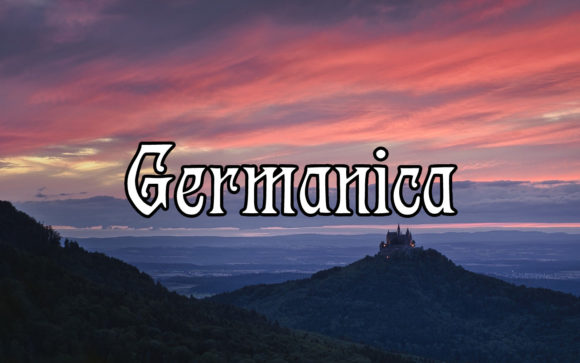
Visually, Germanica commands attention. The letterforms are built on the Fraktur tradition, characterized by sharp, angular strokes and intricate details that suggest craftsmanship and heritage. However, unlike some of the more chaotic historical scripts, Germanica feels structured and balanced. The characters possess a certain gravity—a solemnity that implies importance and permanence. This makes it an ideal candidate for projects where you need the text to carry as much visual weight as the imagery. It is the kind of creative font that doesn't just sit on a background; it interacts with it, creating a powerful text overlay that anchors the entire design.
Strategic Applications: From Brand Identity to Editorial Design
Understanding where to deploy a typeface like Germanica is key to successful brand identity. Because of its bold and intricate nature, it functions best as a headline or logo element. For entrepreneurs and small business owners in niche markets—such as craft breweries, barbershops, metalworking studios, or artisan bakeries—Germanica offers an instant visual shorthand for authenticity and tradition. It suggests that your business values time-honored methods.
In editorial design and packaging design, this blackletter font shines when used sparingly. Imagine a magazine cover where the masthead uses Germanica in a stark white against a moody, dark background. The "solemn characters" create an immediate atmosphere of seriousness or high drama. Similarly, on product packaging, using this typeface for the flavor name or the brand name can elevate a simple product into something that feels premium and handcrafted.
For marketers and content creators working in the digital space, Germanica is a secret weapon for social media graphics. The feed is crowded with modern, minimalist sans-serifs. A well-placed blackletter title cuts through the noise. It works exceptionally well for:
- Music Promotions: Particularly for rock, metal, or classical genres where the visual aesthetic matches the auditory experience.
- Event Invitations: Creating a sense of grandeur for weddings, galas, or themed parties.
- Merchandise: T-shirt designs and posters where the typography itself acts as the illustration.
Mastering the Font Pairing and Visual Hierarchy
One of the most common questions regarding blackletter fonts is, "What do I pair it with?" This is where modern typography principles become your best friend. Because Germanica is a display font with high visual complexity, it demands a counterpart that is simple and clean. You never want to pair a blackletter font with a script font or a handwritten font; the result would be visually chaotic and unreadable.
Instead, look toward geometric sans serif fonts or clean serif fonts. A sans-serif with uniform stroke widths provides a beautiful modern contrast to the ornate strokes of Germanica. This contrast establishes a clear visual hierarchy: the Germanica text grabs the viewer's attention for the main message, while the secondary font provides the necessary information without competing for dominance.
Readability and Technical Considerations
While Germanica is designed to be legible for a blackletter style, you must still respect the limitations of the genre. It is not intended for long paragraphs of body text. If you try to write a 500-word description in Germanica, you will lose your audience. The intricate details of the letters can become a visual blur when used at small sizes or in large blocks.
Always use this typeface for headlines, sub-headers, or single-word emphasis. Test your designs at the specific size they will be viewed. If you are designing for web design, ensure that the font renders well on different screen resolutions. If you are using it for print, check the kerning (the space between letters) to ensure the characters don't clash awkwardly. Peter Wiegel has done excellent work with the spacing, but specific letter combinations in blackletter styles often require manual adjustment to look perfect.
Practical Guidance for Designers and Hobbyists
For designers, crafters, and hobbyists, adding Germanica to your library of design assets opens up a specific stylistic avenue. It allows you to offer clients or your own projects a look that feels rooted in history but executed with modern precision. When evaluating if this font fits your project, ask yourself: does my brand or project need to convey heritage, strength, or a touch of the dramatic? If the answer is yes, Germanica is likely the right choice.
When you download and install the font, take the time to explore the full character set. Often, fonts like Germanica include ligatures and alternative characters that can make your typography feel even more custom and authentic. By swapping out a standard "s" for a long "s" or utilizing specific letter connections, you can make the text flow in a way that mimics hand-lettering.
Ultimately, Germanica by Peter Wiegel is more than just a font; it is a tool for atmospheric storytelling. Whether you are a blogger wanting to give your header a unique edge, a publisher designing a book cover, or a marketer creating a campaign that needs to feel timeless, this typeface delivers. It bridges the gap between the ancient art of calligraphy and the efficiency of modern typography, giving you a reliable, impressive, and versatile commercial font for a wide range of creative endeavors.