Beroga: The Creative Display Font That Breathes Life Into Ideas
There is a specific moment in the design process where you realize a layout is technically correct but emotionally flat. The hierarchy is there, the colors work, but the typography feels sterile. When you swap in Beroga, a typeface designed by Peter Wiegel, that sterility often vanishes instantly. It is not just another set of letters; it is a tool built to inject personality into a project without sacrificing structure. For designers, marketers, and content creators, finding a font that bridges the gap between "cool" and "functional" is rare. Beroga manages to sit comfortably in that sweet spot, offering a visual flair that feels modern and adaptable.
A Visual Personality That Adapts to Your Vision
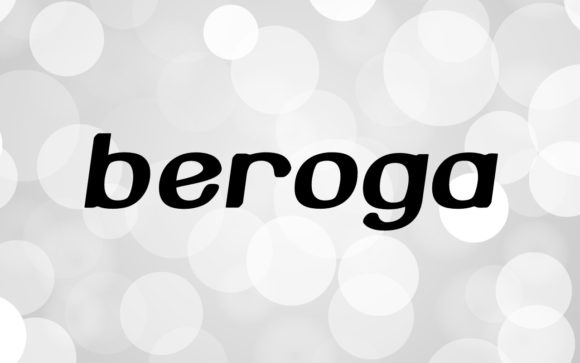
Understanding the anatomy of Beroga helps in utilizing it effectively. As a creative font, it walks the line between a serif font and a sans serif font in terms of utility, though its aesthetic is distinctly display-oriented. It carries a certain rhythm in its letterforms. The characters often feature subtle curves and unconventional cuts that prevent the text from looking like a standard corporate document. This is the kind of modern typography that feels handcrafted yet polished. It doesn't scream for attention in a chaotic way; rather, it demands a second look through its interesting silhouettes.
For brand identity projects, this personality is crucial. A logo design utilizing Beroga immediately suggests a brand that is approachable and creative. Think about a boutique coffee roaster or a high-end streetwear label. If they used a standard Arial or Helvetica, the message would be generic. Beroga adds a layer of texture and thoughtfulness. It tells the audience that the brand cares about aesthetics. Because it is an adaptable typeface, it doesn't pigeonhole you into one specific niche. It can look edgy in one context and elegant in another, depending on the surrounding design elements.
Practical Applications: From Digital Screens to Packaging Design
When selecting a premium font, you have to consider versatility. You are paying for a design asset that needs to work across multiple mediums. Beroga shines in specific environments where standard fonts often fail to make an impact.
Digital Presence and Social Media
In the realm of web design and social media graphics, attention spans are short. You have milliseconds to grab a user scrolling through a feed. Beroga works exceptionally well for headlines, hero sections, and call-to-action buttons. Its distinct shape cuts through the noise of generic interfaces. For Instagram stories or Pinterest pins, where visual hierarchy is everything, using Beroga for the main hook ensures the message lands. However, as with any display font, it should be used sparingly for body text on screens. Pair it with a clean, legible sans-serif for the paragraphs to maintain readability.
Print and Packaging
There is something tactile about this font that translates beautifully to print. In packaging design, shelf appeal is the primary metric. Whether you are designing a label for a craft beer or a box for artisanal soap, Beroga provides that "cool" factor. It mimics the aesthetic of handwritten fonts but maintains the consistency required for professional printing. Unlike actual handwriting, which can vary, Beroga ensures that every letter is perfectly formed, aiding in brand recognition and professionalism.
Editorial and Publishing
For bloggers and publishers, editorial design relies heavily on mood. If you are writing about travel, fashion, or culture, the typography sets the tone before the reader even engages with the first sentence. Beroga is an excellent choice for chapter titles, pull quotes, or magazine headers. It adds a sophisticated touch to layouts without looking like a relic from the past. It feels contemporary, which is vital for content creators trying to stay relevant in fast-moving industries.
Strategic Typography: Influence on Brand and Engagement
Typography is rarely just about decoration; it is about psychology. The font you choose influences how your message is received. Beroga, with its modern and slightly playful character, can soften a brand's tone. If you are a corporate entity trying to seem more human and less robotic, introducing a font like Beroga in your marketing materials can bridge that gap. It fosters a sense of creativity and openness.
Furthermore, visual hierarchy is essential for user experience. When you use Beroga for your main headings, you create a clear distinction between the primary message and the supporting details. This helps the reader navigate the content effortlessly. It is a tool for audience engagement; interesting typography makes people pause. If your design looks like everyone else’s, you are invisible. Beroga helps you become visible.
Making the Right Choice: Pairing and Implementation
Adopting a new typeface requires strategy. You cannot simply drop it onto a canvas and hope for the best. Here is how to approach integrating Beroga into your workflow:
- Evaluate the Project Fit: Is the project meant to be serious and stoic, or is it creative and energetic? Beroga leans towards the latter. It is perfect for a creative font requirement but might not suit a legal contract or a medical report.
- Master the Font Pairing: This is perhaps the most critical step. Because Beroga has a strong personality, it needs a quiet partner. Avoid pairing it with other decorative fonts or script fonts. Instead, look for a neutral sans serif font like Montserrat, Open Sans, or Lato. This contrast allows Beroga to stand out as the hero element while the secondary font ensures the content remains easy to read.
- Check the Styles: Look at what weights and styles are included. Does it have bold versions? Italics? Having a range of weights allows you to create more nuanced hierarchies within your design.
- Test for Readability: Zoom out. Can you read the headline at a glance? If the characters are too stylized, they might lose legibility at smaller sizes. Test it on mobile devices to ensure it renders well on high-DPI screens.
The Commercial and Creative Value
For entrepreneurs and small business owners, investing in a commercial font like Beroga is an investment in quality. Free fonts often come with licensing ambiguities or lack the technical refinement of professional typefaces. A premium font usually includes better kerning (the spacing between characters), more glyphs, and reliable support.
When you use Beroga, you are utilizing a tool designed by Peter Wiegel, a creator who understands the nuances of type design. You are adding a design asset to your library that elevates your work from amateur to professional. Whether you are crafting a wedding invitation, designing a website for a new startup, or laying out a quarterly magazine, the font serves as the voice of your visual language.
In the end, design is about communication. Beroga is a typeface that communicates confidence, creativity, and modernity. It invites the viewer to engage with the content, making it a powerful addition to any designer's toolkit. Don't just tell your audience something; show them you care about the details by choosing typography that stands out. Try Beroga on your next project and watch how it transforms the ordinary into the interesting.