Acrid: A Bold Display Font for Unforgettable Branding
In a market saturated with neutral, safe typefaces, finding a font that genuinely captures attention can feel like a search for a needle in a haystack. Enter Acrid, a decorative display typeface designed not just to be read, but to be seen. This is not your everyday text font; it is a strategic design asset built for impact. If you are looking to inject personality and high-end aesthetic into your work, understanding how to wield a powerful display font like Acrid is essential for any creative professional.
Understanding the Visual Personality of Acrid
When we talk about typography, we are really talking about voice. A serif font whispers tradition, while a sans serif font shouts modern efficiency. Acrid, however, speaks with an artistic, confident flair. As a decorative display font, it is crafted with distinct artistic elements that set it apart from the crowd. It possesses a strong character that demands to be the centerpiece of any layout.
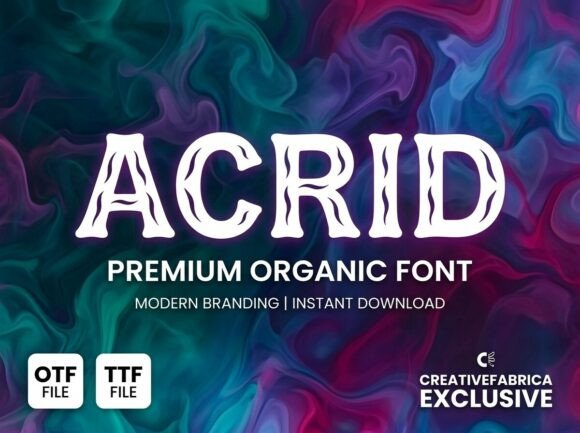
The visual style of Acrid is defined by its deliberate construction. It is an all-caps display typeface, meaning it does not contain lowercase letters. This is a crucial design choice. By utilizing uniform capitalization, the font creates a monolithic, sturdy visual block that works exceptionally well for logo design and large-scale headers. The personality of the font is bold and unapologetic, making it perfect for creators who want to break away from the ordinary. It delivers a high-end, professional aesthetic without stripping away the unique flair that makes a brand memorable.
Strategic Applications: Where Acrid Shines
Choosing the right tool for the job is half the battle in design. Acrid is a specialized instrument, and using it in the right context can elevate a project from amateur to professional. Here is a breakdown of where this premium font works best.
Branding and Logo Design
A logo needs to be recognizable in a split second. The strong, distinct silhouette of Acrid makes it an excellent candidate for logo design. Because it is an all-caps font, it creates a sense of stability and authority. It works beautifully for luxury brands, boutique agencies, and creative studios that want to project confidence. However, because of its strong personality, it pairs best with a more neutral sans serif font or a clean serif font for body text to avoid visual clutter.
Packaging and Editorial Design
On a shelf or a magazine cover, you have seconds to grab a consumer's attention. Acrid excels in packaging design where the product name needs to pop. Imagine a craft beer label or a high-end cosmetics box using Acrid for the product title; the font immediately signals that the product inside is artisanal and quality-driven. In editorial design, such as magazine covers or chapter openers, it serves as a powerful anchor for headlines, drawing the reader into the content.
Digital Presence and Social Media
In the fast-scrolling world of web design and social media, standard text often gets ignored. Using Acrid for hero sections on websites or as the primary typography in Instagram graphics can stop the scroll. It is particularly effective for social media graphics that need to convey a specific mood or event, such as a product launch or a grand opening. Its high-contrast structure ensures readability even at varying digital resolutions, provided it is sized correctly as a display type.
The Mechanics of Influence: Hierarchy and Perception
Typography influences how we feel about a message before we even process the words themselves. Using a creative font like Acrid alters the visual hierarchy of your design immediately.
- Visual Hierarchy: Because Acrid is designed to be a centerpiece, it naturally sits at the top of the hierarchy. It commands the eye, making it ideal for H1 headers or primary focal points. Using it for sub-headlines or body copy would be a mistake, as its decorative nature can become overwhelming in long-form reading.
- Brand Perception: Fonts carry cultural weight. Acrid’s artistic style suggests creativity, attention to detail, and a break from corporate monotony. It tells your audience that your brand values aesthetics and personality.
- Audience Engagement: A unique typeface can spark curiosity. When a viewer sees a font that looks different and intentional, they are more likely to stop and investigate. This increased dwell time is valuable for both print and digital publishers.
Practical Guide: Integrating Acrid into Your Workflow
As a designer or business owner, you need assets that work as hard as you do. Here is how to approach using Acrid effectively in your projects.
Evaluating Project Fit
Before downloading and installing, ask yourself: "Is this project about subtlety or statement?" If you are writing a technical manual or a legal contract, Acrid is the wrong choice. However, if you are designing a wedding invitation, a poster for an art show, or a header for a lifestyle blog, it is an excellent fit. It is a display font, meaning it is meant for large sizes. Never use it for 12-point body text.
Font Pairing Strategies
One of the most common mistakes in modern typography is pairing two strong fonts that fight for attention. Since Acrid has a loud voice, its partner should be a good listener.
- With Sans Serif: Pairing Acrid with a geometric sans serif font (like Montserrat or Futura) creates a modern, clean look. The neutrality of the sans serif allows Acrid’s artistic details to shine.
- With Serif: For a more sophisticated or editorial vibe, pair Acrid with a transitional serif font. This works well for high-end fashion or luxury branding.
- Avoid: Do not pair Acrid with a script font or a handwritten font. Both are competing for the "decorative" role, leading to a chaotic layout.
Technical Considerations and Licensing
The Acrid package includes both OTF and TTF files. The OTF (OpenType) file is generally preferred for professional design software like Adobe Illustrator or InDesign, as it often supports more advanced typographic features. The TTF (TrueType) ensures compatibility across all operating systems, making it a safe bet for web use or if you are sharing files with clients who may not have professional design suites.
Remember the technical note: this is an all-caps typeface. If your project requires distinct capitalization differences (like a sentence case headline), you will need a different font. However, for logos and titles, the all-caps nature of Acrid is a strength, providing a consistent baseline and cap height that creates a clean, architectural look.
Conclusion: Breaking Away from the Ordinary
In the realm of design assets, a font is more than just letters; it is a voice. Acrid offers a voice that is bold, artistic, and professional. Whether you are a small business owner looking to refresh your brand identity, a publisher seeking a striking headline for your next cover, or a designer crafting a unique packaging concept, this font provides the tools to do so. By understanding its all-caps nature and utilizing it for display purposes, you can leverage Acrid to create layouts that are not only visually appealing but strategically effective.