Abcd Cursive: A Designer's Guide to the Connected Script
When you’re building a brand or creating educational materials, the font you choose does more than just display words. It sets a mood, tells a story, and guides the viewer’s eye. If you are looking for a typeface that bridges the gap between organic handwriting and digital precision, Abcd Cursive offers a compelling solution. It isn’t just a standard script font; it is a fully connected, flowing typeface that mimics the natural motion of a hand holding a pen. For creative professionals, this distinction is vital. It moves away from the disjointed, "ransom note" feel of some digital scripts and offers a cohesive visual narrative that feels authentic and warm.
The Anatomy of a Connected Script
Understanding the technical makeup of Abcd Cursive helps you use it effectively. Based on the D'Nealian method—a style of teaching cursive that focuses on the flow between letters—this font is designed to be fully joined. This is a critical feature for projects requiring high legibility in long-form text. Unlike display fonts that prioritize ornamental flourishes over function, this typeface maintains a consistent baseline and x-height, ensuring that your text remains readable even at smaller sizes.
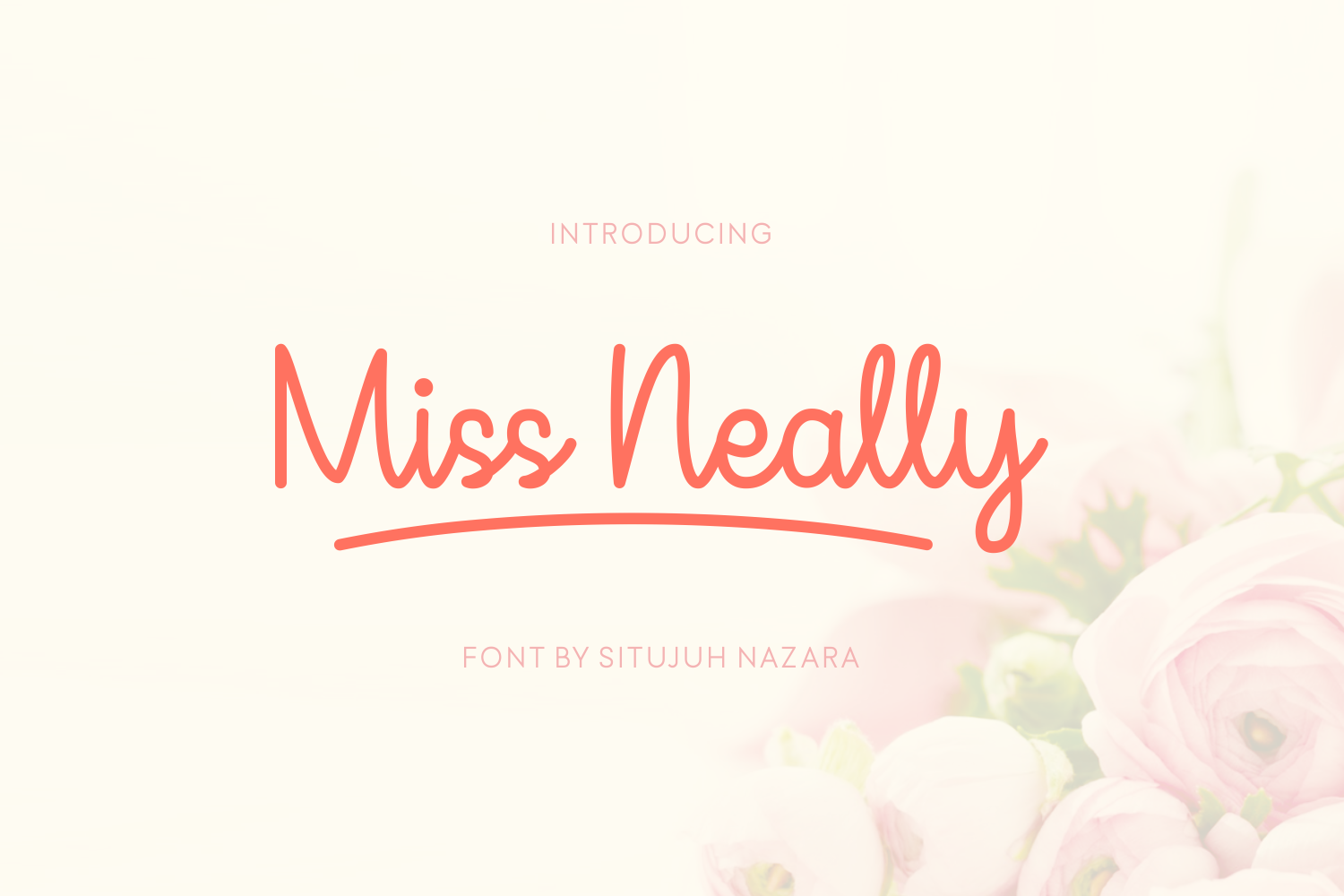
Visually, the font strikes a balance between the structured nature of typography and the looseness of natural handwriting. It features smooth curves and logical entry and exit strokes. This makes Abcd Cursive an excellent choice for projects where you want the text to feel approachable but not sloppy. It avoids the overly "bouncy" baseline found in some modern typography trends, opting instead for a steady, reliable rhythm that guides the reader forward.
Strategic Applications for Creative Professionals
As a designer, marketer, or content creator, your toolkit needs to be versatile. Abcd Cursive fits into several distinct categories of work, ranging from brand identity to educational content creation. Here is how different professionals can leverage this asset:
Branding and Packaging Design
In packaging design, texture and personality are everything. A premium handwritten font like Abcd Cursive can soften the harsh lines of modern packaging. It works exceptionally well for artisanal products, boutique clothing tags, or organic food labels where the goal is to convey a human touch. Because it is a connected script, it holds together well on curved surfaces, such as bottles or jars, where disjointed letters might look chaotic.
Editorial and Web Design
While you wouldn't set a 500-page book in a script font, Abcd Cursive shines in editorial design as a pull-quote font or for chapter headings. It provides a necessary contrast to serif or sans serif body text, breaking up the visual monotony and adding emphasis to key points. In web design, it is perfect for hero sections or call-to-action areas where you want to inject personality without sacrificing load times or clarity.
Educational Resources and Worksheets
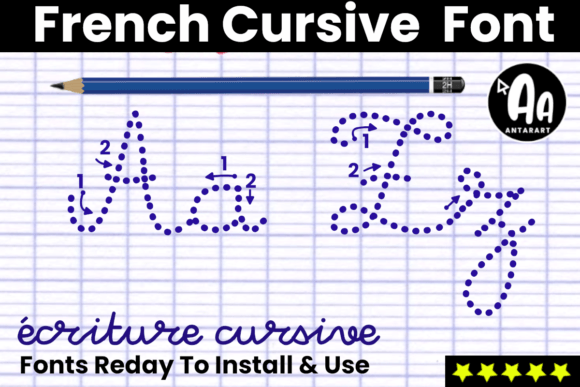
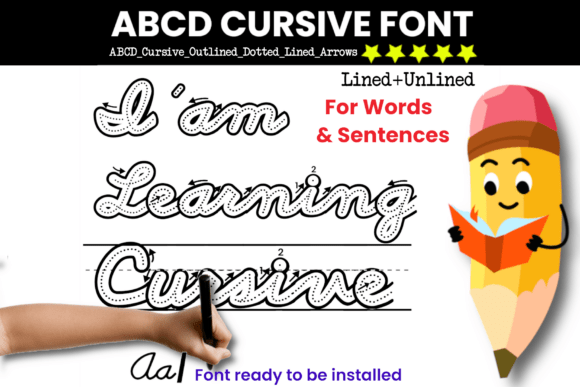
One of the most practical applications of this specific font is in education. If you are a teacher, tutor, or homeschooling parent, creating custom worksheets is a daily task. Abcd Cursive includes dotted and lined variations specifically for tracing exercises. This allows you to generate thousands of unique practice sheets tailored to your students' needs. The font aids in recognizing cursive alphabet letters, helping students develop strong handwriting skills through repetition and visual guidance.
Font Pairing and Visual Hierarchy
No font exists in a vacuum. To get the most out of Abcd Cursive, you need to pair it with the right partner typeface. The goal is to create contrast without conflict.
- Pairing with Sans Serifs: A clean, geometric sans serif font works best for body text when using Abcd Cursive for headlines. The simplicity of the sans serif allows the script font to take center stage without the design feeling cluttered. Think of pairing it with a font like Montserrat or Open Sans for a modern, friendly look.
- Pairing with Serifs: For a more traditional or elegant aesthetic, pair it with a sturdy serif font. This combination works well for wedding invitations, menu designs, or lifestyle blogs. The serif provides structure, while the script adds a layer of sophistication and flow.
When using Abcd Cursive, pay attention to visual hierarchy. Use it sparingly for emphasis. If you use it for a large block of text, the "handwritten" effect might become overwhelming. Instead, use it for short bursts of text—headlines, subheadings, or callouts—to draw the eye to the most important information.
Practical Considerations for Selection and Use
Before integrating any new asset into your workflow, you need to evaluate its technical merits. Here are a few things to consider when working with Abcd Cursive:
- Readability at Scale: While the font is designed for clarity, always test it at the size you intend to use. A script font that looks beautiful at 72pt might lose detail at 10pt. Because Abcd Cursive is based on a consistent teaching method, it generally performs better at smaller sizes than more decorative scripts, but testing is non-negotiable.
- Color and Contrast: Handwritten fonts often have thinner strokes than blocky sans serifs. Ensure you have sufficient contrast between your text color and background color. Avoid placing this font over busy, high-contrast images without a solid background shape or overlay to ensure legibility.
- Licensing and Usage: For small business owners and entrepreneurs, checking the license is crucial. This font is designed as a commercial font asset, meaning you can use it for client work, merchandise, and digital products. Always double-check the specific license terms regarding embedding fonts in apps or software if that is part of your project scope.
Conclusion: A Versatile Asset for the Modern Creator
In a digital landscape saturated with rigid, robotic interfaces, the human touch stands out. Abcd Cursive is more than just a collection of letters; it is a tool for connection. Whether you are designing a logo that needs to feel personal, creating social media graphics that stop the scroll, or building educational materials that help children learn, this font provides the flexibility and quality you need. By understanding its structure, pairing it wisely, and applying it to the right contexts, you can elevate your design work from merely functional to truly expressive.